Garden Clearance in Addiscombe
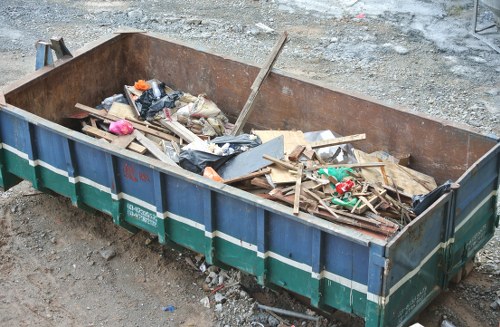
Our garden clearance in Addiscombe is designed for homes and properties that need outdoor spaces cleared in a tidy, practical way. We remove green waste, broken garden items and mixed outdoor clutter so paths, beds and lawns can be used properly again. The service suits one-off clearances and fuller tidy-ups, with work planned around access, item type and the amount of waste to be moved.
We handle common outdoor clearances that often build up over time: hedge cuttings, branches, leaves, soil, old pots, timber, planters and weathered outdoor furniture. Where items are suitable for recovery, we separate reusable material from waste where possible and keep the job organised from start to finish. For larger or mixed loads, a planned approach usually makes the clearance quicker and easier to manage.
To discuss your clearance, start by telling us what is on site and which parts of the garden need attention. You can then request a quotation and choose a time that suits the property. If you already know the scale of the job, that helps us match the right team and equipment to the work.
Garden waste clearance and green debris removal
Green waste clearance is often the first task after pruning, cutting back hedges or clearing overgrown borders. We can remove loose vegetation and bagged waste as well as heavier cuttings that need loading by hand. Where a garden has several different waste types, it is usually best to separate green material from harder items such as metal, ceramics or timber, because that helps the job stay orderly and can simplify disposal.
Our service is useful when you need more than a simple bag collection. We can clear piles that have built up after seasonal work, take away overgrown clippings from neglected corners and remove mixed debris from beds, patios and side returns. If the site is awkward to reach, the plan may need to allow for narrower access, steps, gates or carrying waste through the property carefully. Clear access and sensible sorting help the work move smoothly.
Typical items in a garden clearance can include branches, twigs, grass cuttings, soil, turf, dead plants and old mulch. Some clearances are straightforward, while others involve a mixture of soft green waste and leftover outdoor materials. When you are arranging the job, it is useful to mention any heavy or awkward items so the quote reflects the real lifting and loading involved.
Outdoor rubbish, sheds and bulky items

Gardens often store more than plant waste. We also clear bulky outdoor items such as damaged storage boxes, broken garden seating, children’s outdoor toys, plant containers and unwanted timber offcuts. Where a shed or corner store has become a holding area for mixed clutter, a more careful sort is needed so waste is removed without leaving useful items behind by mistake. That is especially helpful when the space has been used for several purposes over time.
Not every clearance is a simple heap of leaves and branches. Some jobs include rotting decking pieces, old paving, broken trellis, disused barbecues or rusted tools. These items can be more awkward to lift, carry and load than general green waste, so it helps to plan for the full contents rather than only the visible top layer. A clear list of the larger pieces usually makes the quotation more accurate.
If you want to keep part of the garden equipment, make that clear before collection day so only the agreed waste is removed. A brief note about what stays and what goes can prevent confusion and save time on site. For mixed outdoor spaces, the aim is a tidy removal process that leaves the remaining items in place and the cleared area ready for its next use.
Household garden clearances and access planning
Many customers need garden clearance as part of a wider property clean-up rather than as a standalone outdoor task. In those cases, the work may involve items carried from the back garden, side passage, driveway or rear outbuildings. A good plan takes account of gates, steps, narrow paths and any surfaces that need to be protected while waste is moved.
When preparing for a quotation, it is usually enough to describe the main material, estimate how much there is and explain where it is located. Photographs can be useful where the garden is heavily overgrown, the load is mixed, or the access is difficult. If there are fragile borders, narrow corners or surfaces that should be kept clear, mention them early so the work can be set up sensibly.
We can also help when a garden needs clearing before decorating, repair work or a change in use. This might include removing unwanted materials before maintenance begins, taking away waste left after previous outdoor work or clearing a neglected section so it can be managed more easily. The service is practical, and the goal is to leave the space clear of the agreed waste without unnecessary disruption.
Recycling, sorting and responsible disposal

Garden clearance is not only about loading waste quickly; it also depends on sorting the material correctly. Soft green waste, timber, metal, plastics and general outdoor rubbish may all need different handling. Where possible, we separate suitable material so it can follow the right route after collection. That approach supports a tidier clearance and avoids mixing items that are better kept apart.
Responsible disposal matters when a garden contains a combination of natural waste and household-type items. Soil, turf and plant matter can be very different from broken furniture or old fixtures, so the load should be assessed carefully before removal. If there are items you are unsure about, it is best to mention them in advance rather than leaving them out of the description. That way, the quotation reflects the real scope of the work.
Our customers often want the process to be simple and straightforward: remove the waste, keep the site tidy and handle the material in a sensible way. We aim to do that with a clear collection plan and careful handling of mixed loads. For larger clearances, it can be helpful to decide in advance whether a full garden sort, a partial clearance or removal of only selected piles is needed.
What affects the quotation
Garden clearance prices usually depend on the amount of waste, the type of material, access to the site and whether the job includes heavy lifting or sorting. A neat pile of cuttings is normally simpler than a mixed area containing branches, timber and bulky items. Likewise, a clear front access may be easier to work with than a long carry from a rear garden through a narrow passage.
Other practical factors can include whether waste is loose or bagged, whether dismantling is needed and whether the load contains awkward pieces such as wet soil, broken panels or large containers. If you have several different materials, a plain description is more useful than a broad estimate. The more accurately the waste is described, the easier it is to prepare a fair quotation for the work.
When arranging a quote, keep the request focused on the actual items to be removed and the space they occupy. That helps avoid confusion and lets the job be planned in a way that suits the property. If you are ready to move ahead, check our pricing and quotes page for the next step.
How to prepare a garden for clearance
A little preparation can make a garden clearance easier to carry out. If there are items you want to keep, move them aside if possible or mark them clearly. Where waste is spread across several areas, grouping it together can save time and reduce the chance of anything being missed. This is especially useful if the garden includes both green waste and non-garden debris.
It is also worth thinking about parking, gate access and whether there are any obstacles between the waste and the collection point. If the job is on an upper level, through a shared passage or around a tight corner, that can affect how the work is organised. The aim is not to create extra work for you, only to make the collection plan practical and accurate.
For some properties, the waste is ready to load straight away; for others, a quick sort before collection is the most efficient approach. A short written description can be enough to get started, especially if it includes the main material, the approximate volume and whether the clearance includes heavy items. Clear instructions at the beginning often lead to a smoother visit and a better match between the quote and the job.
About Addiscombe
Addiscombe is a district in the London Borough of Croydon, in south London, with a character shaped by suburban growth, transport connections and long-established residential streets. Historically, the area developed from a village settlement into a built-up neighbourhood as London expanded, and traces of that growth can still be seen in the street pattern and the mix of housing styles. The district sits near central Croydon and is closely associated with tram and rail travel, while still retaining a local identity of its own. Addiscombe Road is one of the most familiar routes through the area, and the surrounding streets include many terraces, semis and later infill development that reflect different stages of suburban change. The area is also notable for its links to the former Addiscombe Military Seminary, which once stood nearby and formed part of the wider historical landscape of the district. Local open spaces such as parks and smaller green corners give the neighbourhood a more spacious feel than its urban setting might suggest. Today, Addiscombe is largely residential, with everyday shopping streets, schools, churches and community facilities spread through the area. Its position close to Croydon gives it access to the wider town centre while keeping a quieter neighbourhood atmosphere. For visitors and residents alike, the place is defined less by major landmarks than by the ordinary rhythm of local life: homes, routes, small parks and the layered history of a London suburb that has grown steadily over time.
Garden clearance for tidier outdoor spaces

When a garden has become cluttered, the first priority is often to restore usable space rather than to complete every detail in one visit. We can clear the agreed waste, open up paths and remove the items that stop the area being used properly. That may include a compact back garden, a larger family space or a side return that has accumulated mixed outdoor debris over time.
Some customers want a full clearance before replanting or landscaping, while others need only a section of the garden dealt with. Both approaches are workable if the waste is identified clearly at the outset. A targeted removal can be useful where one area has become overrun but the rest of the garden is still in good condition. That keeps the job focused and avoids unnecessary disturbance to the remaining space.
If the garden contains materials that are likely to need separate handling, such as rubble, timber or metal fixtures, mention those early. The same is true for large or awkward objects that need careful lifting. Read more about our garden clearance service if you want a closer look at the type of work we handle.
Mixed waste in gardens and outdoor storage areas
It is common for gardens to become temporary storage areas for all sorts of items. Old fence panels, unused planters, broken tools, spare slabs and general clutter can build up alongside plant waste. A mixed clearance needs a more measured approach than simple green waste removal because the material may vary in weight, shape and disposal route. Sorting the load before collection helps keep the work efficient.
Outdoor storage spaces can also hold items that have been left after maintenance, decorating or repairs. If a shed, lean-to or side yard has been used as a holding space, the clearance may involve moving the contents out in stages and deciding what belongs in each category. That makes it easier to remove only the agreed waste and avoid accidental disposal of useful belongings.
A balanced quotation should take account of all the parts of the job, not only the most obvious piles. If the waste includes a little of everything, describe it that way; if it is mostly green material with a few bulky pieces, say so. Accurate description matters because it lets the clearance be planned in a way that fits the garden and the material present.
Garden clearance and wider waste removal

Some customers need outdoor clearance as part of a broader tidy-up that also includes other household or general waste. In those cases, it helps to think in terms of the whole load rather than one pile at a time. If the job includes items from a garage, loft or other storage area as well as the garden, the different materials can be grouped and removed in a sensible order. That keeps the work organised and avoids repeated handling.
Where garden waste is only part of the job, the quotation should reflect the full collection rather than the outdoor section alone. That may be useful if you are clearing a property before letting, renovating or preparing for a move. The work can then be arranged as a single practical removal rather than several separate collections, which often makes the process simpler for the customer.
To get started, send a short description of what needs taking away and the area it is in. If you want a quote for the full clearance, include the garden, any outbuildings and any bulky items that need lifting. You can request a quotation through our contact page when you are ready.
Choosing the right level of clearance
Not every garden needs the same level of attention. Some spaces only need waste removal after pruning, while others require a more comprehensive clear-out of overgrown material, old outdoor items and leftover debris. Choosing the right level of clearance helps keep the work proportionate. It also means you only pay attention to the parts of the garden that actually need to be dealt with.
Where the garden is partly usable, a partial clearance may be enough to restore access to paths or seating areas. Where the space has been neglected for longer, a fuller removal may be more suitable. The best approach depends on what is there now, what should remain in place and whether the waste is mainly green, mixed or bulky. A clear description at the start avoids unnecessary assumptions.
We keep the service practical and focused on the agreed load, with the work shaped around the material, access and location. If you are comparing options, think about whether you need one-time waste removal, a larger mixed clearance or a targeted tidy-up of one area. If that sounds like the right fit, ask for a quotation and let us know what needs to go.
Working with property owners and occupiers
Garden clearance is often arranged by homeowners, landlords, tenants or agents, and each situation can have different priorities. A homeowner may want to restore a family garden, while a landlord may need an outdoor area cleared between tenancies. In a managed property, the work may need to fit around access arrangements or instructions for shared spaces. Clear communication helps make sure the right area is cleared and the right items are removed.
When the site is occupied, it is useful to agree what should happen with plant pots, furniture, tools and any items that might belong to someone else. If the clearance is being arranged on behalf of another person, a short note about the scope can prevent confusion on the day. That is especially helpful where several people use the same garden or where the waste is spread across more than one area.
For practical reasons, a simple summary of the waste, access and location is often enough to begin. You do not need to overcomplicate the request, but you do need to be specific about the material and the space. That gives us the information needed to prepare a quotation and plan the collection properly.