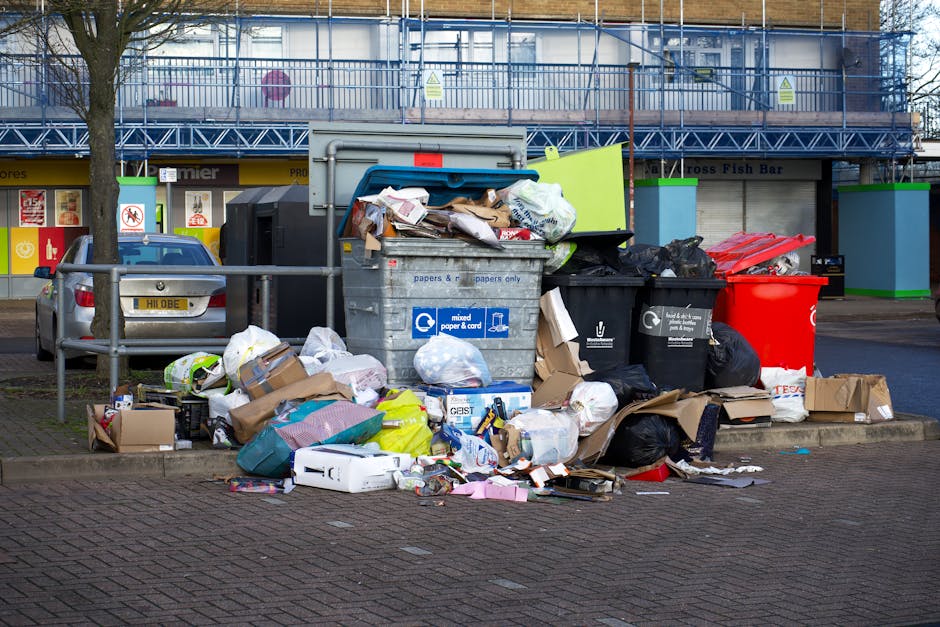
CR0 rubbish removal options near Croydon Addiscombe: a practical guide for homes, flats and businesses
If you are sorting out a cluttered flat, clearing a garage, or dealing with a pile of renovation debris, the search for CR0 rubbish removal options near Croydon Addiscombe can feel oddly urgent. You want it gone, but you also want it handled properly, without the usual faff, hidden extras, or that sinking feeling that something has been dumped illegally. Fair enough.
This guide walks through the main rubbish removal choices available locally, how the process usually works, what to check before you book, and where the common traps lie. You will also find a simple comparison table, a real-world example, and a checklist you can use before you hand anything over. If you are comparing services, it can also help to look at broader waste removal options alongside more specific services like house clearance or furniture disposal, depending on what actually needs shifting.
Let's make this easy to use, not just easy to read.
Table of Contents
- Why CR0 rubbish removal options near Croydon Addiscombe Matters
- How CR0 rubbish removal options near Croydon Addiscombe Works
- Key Benefits and Practical Advantages
- Who This Is For and When It Makes Sense
- Step-by-Step Guidance
- Expert Tips for Better Results
- Common Mistakes to Avoid
- Tools, Resources and Recommendations
- Law, Compliance, Standards, or Best Practice
- Options, Methods, or Comparison Table
- Case Study or Real-World Example
- Practical Checklist
- Conclusion
- Frequently Asked Questions
Why CR0 rubbish removal options near Croydon Addiscombe Matters
CR0 covers a busy part of South London where space is often limited, parking can be awkward, and waste builds up faster than you expect. A few old chairs in the hallway become a full-blown problem once they block access. A bit of DIY rubble becomes a stress point when the bags start taking over the garden. It happens quickly.
That is why local rubbish removal matters. It is not only about convenience. It is about keeping your property safe, avoiding clutter that slows everything down, and making sure the waste is handled in a way that suits the type of item, the quantity, and the location. In a place like Addiscombe, where many people live in flats, terraces, and compact family homes, the right clearance method can save time and a fair bit of hassle.
It also matters because not all waste is the same. A couple of broken wardrobes, a load of garden cuttings, and post-renovation rubble all need different handling. The best option is rarely the loudest one. It is the one that fits your situation cleanly.
Expert summary: the best CR0 rubbish removal choice is usually the one that matches your waste type, access, timing, and budget without cutting corners on disposal or safety.
How CR0 rubbish removal options near Croydon Addiscombe Works
In practical terms, rubbish removal usually starts with a quick description of what you need removed. Good providers will want to know the item type, rough volume, whether there are stairs or narrow access points, and if anything is unusually heavy or awkward. That is not nosiness; it is how they work out the right vehicle, labour, and disposal route.
For everyday domestic clearances, the process is often straightforward:
- You describe the waste and share any access details.
- You receive a quote or estimate based on the amount and type of rubbish.
- A collection time is arranged.
- The team arrives, removes the waste, and loads it safely.
- The waste is sorted for reuse, recycling, or disposal where possible.
If you are dealing with heavier or mixed loads, the work can be a little more involved. Builders waste, for example, tends to be dusty and weighty, while a loft clearance may involve fragile items, insulation, and odd-shaped boxes that have been sitting there since who knows when. The right crew will adjust their method rather than treating everything as if it were the same job.
Some people prefer a full-service collection where everything is taken away in one visit. Others want a more targeted approach, such as garage clearance, garden clearance, or loft clearance. The key is to choose the route that keeps the job simple.
Key Benefits and Practical Advantages
The obvious benefit is that you get your space back. But there is a bit more to it than that.
- Less physical strain: moving bulky items down stairs or through tight hallways is not something to improvise casually.
- Faster turnaround: a scheduled collection can clear a problem in hours, not days.
- Cleaner finish: a proper team should leave the area swept and ready for the next step.
- Better sorting: reusable and recyclable items can be separated more intelligently.
- Reduced risk: fewer trips, less lifting, and less chance of damage to floors, doors, or shared areas.
There is also the peace of mind factor. To be fair, that is a big one. If you have ever spent an evening trying to work out what to do with an old sofa, you know how quickly a small job can turn into a weekend-shaped headache.
For landlords, agents, and local businesses, the advantages are even clearer. A cleared flat can be re-let sooner. An office can be made presentable again. A builder can keep the site moving. If you need a commercial angle, business waste removal and office clearance are often better fits than a general one-size-fits-all option.
Who This Is For and When It Makes Sense
Rubbish removal in CR0 is useful for a wide mix of people, and the trigger is not always dramatic. Sometimes it is simply that the place has run out of breathing room.
This tends to make sense if you are:
- moving house or preparing to sell
- clearing a rental property between tenancies
- dealing with furniture that is too bulky for normal bin collections
- finishing a refurb or DIY project
- emptying a loft, garage, shed, or spare room
- managing an office tidy-up or business relocation
- sorting a bereavement or sensitive home clearance
That last point matters. A sensitive clearance is not just about lifting and loading. It is about pace, respect, and a bit of common sense. The same goes for flat clearance where shared access, neighbours, and building rules can make the job more delicate than it first appears.
If the waste is mostly old furniture, you may find it useful to think in terms of disposal as well as collection. A service focused on furniture clearance can be a better match when you have wardrobes, tables, beds, and sofas all in one go.
Step-by-Step Guidance
If you want the smoothest possible experience, a little preparation goes a long way. Here is the simplest route.
1. Separate the waste by type
Put general household junk, furniture, green waste, and construction debris into rough groups. You do not need perfect sorting, but the more clearly you separate things, the easier it is to quote and collect. Mixed waste often costs more to process, so clarity helps.
2. Check access before booking
Think about stairs, lifts, rear access, parking, and whether large items can be moved out without scraping walls. In Addiscombe, access can be the deciding factor more often than people expect. A narrow stairwell or limited street parking can change the plan completely.
3. Describe awkward items honestly
Say if something is heavy, broken, damp, sharp, or simply weirdly large. A rusty garage cabinet, an old mattress, or a pile of builders offcuts can affect handling and pricing. Honest details save everyone time.
4. Ask how disposal is handled
A trustworthy provider should be able to explain how they deal with recycling and final disposal in plain English. You do not need a lecture. Just a clear explanation. If sustainability matters to you, take a look at their recycling and sustainability approach before you commit.
5. Confirm what is included
Does the price include loading, labour, and disposal? What about heavy lifting, extra stops, or same-day collection? Those little details make a real difference. This is where people get caught out, annoyingly enough.
6. Prepare the area
If possible, clear a path to the items, move pets out of the way, and keep any items you want to keep separate. A few minutes of prep can save a surprisingly long delay once the team arrives.
Expert Tips for Better Results
After handling enough clearances, a few habits stand out. They are small, but they matter.
- Take photos before you book. Even if you do not send them, photos help you think through volume and access.
- Be specific about what stays. A tiny bit of confusion can become a big one once the crew is on site.
- Plan around neighbours. If you live in a flat or shared block, quiet timing helps more than people realise.
- Bundle related jobs together. If you already need a garage cleared, it may be the right time to deal with old furniture or loft clutter too.
- Check payment and process details in advance. Knowing how invoices, deposits, or card payments work prevents awkward moments at the door.
If you are comparing providers, it is often worth reading up on pricing and quotes so you understand what can affect the final figure. The cheapest option is not always the best, and the most polished website is not always the safest bet. Slightly frustrating, but true.
A good rule of thumb: if something sounds too vague, ask one more question. You are not being difficult. You are being sensible.
Common Mistakes to Avoid
Most clearance headaches come from a few predictable mistakes. The good news is they are easy to avoid.
- Booking without measuring access. If a sofa will not turn the corner, the job gets slower and more expensive.
- Mixing prohibited or special items into general waste. Some items need separate handling, and they should be flagged early.
- Assuming all rubbish is the same. Builders waste, green waste, and furniture do not always belong in one generic pile.
- Leaving the decision too late. Last-minute clearances can be done, but rushed planning often costs more.
- Ignoring disposal standards. If a company cannot clearly explain where the waste goes, that is a red flag.
One small but common issue: people forget to keep aside personal documents or valuables when clearing a loft or office. It sounds obvious written down like this. In the moment, though, it is easy to miss. We have all had that "oh no, that was meant to stay" moment.
Tools, Resources and Recommendations
You do not need fancy tools to organise a rubbish removal, but a few simple things make the process smoother.
- a tape measure for bulky furniture or tight access routes
- a phone camera for quick photos
- strong bin bags or rubble sacks for loose waste
- gloves if you are moving anything yourself
- a notebook or phone note with what is staying and what is going
For different kinds of waste, different service pages can help you narrow things down. For example, building debris is better matched to builders waste clearance, while a workspace tidy-up may sit more naturally under office clearance. If you are dealing with a mixed domestic job, home clearance can be the most practical starting point.
It can also help to review a provider's stance on safety and handling. A reputable team should treat heavy lifting, sharp objects, and awkward access with proper care. If that matters to you, have a look at the information on health and safety and insurance and safety. That is not red tape for the sake of it. It is basic reassurance.
Law, Compliance, Standards, or Best Practice
Waste removal in the UK should be handled responsibly. You do not need to know every detail of the regulatory framework, but a few plain-English principles are worth keeping in mind.
First, waste should go to legitimate disposal or recycling routes. Fly-tipping is not just lazy; it can create legal and environmental problems for everyone involved. Second, any company collecting waste should be able to explain its process clearly and should operate in a way that reflects accepted industry practice. Third, if you are a business, you may have additional duties around storing, transferring, and documenting waste. The exact requirements can vary by circumstance, so it is wise to ask before booking rather than after.
For householders, the practical standard is simpler: choose a provider that works safely, loads responsibly, and gives you confidence about where the waste ends up. If you are unsure, ask direct questions. The right company will not be flustered by that.
For more general information about how a provider frames its service standards, the site's about us page can help you understand the approach behind the work, and the terms and conditions set out the commercial basics. Plain, useful, boring in the best possible way.
Options, Methods, or Comparison Table
Not every rubbish removal job needs the same method. Here is a simple comparison to help you choose.
| Option | Best for | Pros | Watch out for |
|---|---|---|---|
| General rubbish removal | Mixed household waste, bulky junk, and everyday clutter | Flexible, quick, and easy to arrange | May not suit specialist waste without notice |
| House or home clearance | Whole rooms, multiple items, or estate-style clearances | Good for bigger jobs and sensitive situations | Needs clear item lists and access details |
| Furniture clearance or disposal | Sofas, beds, wardrobes, tables, and office furniture | Simple for bulky items and single-category loads | Mattresses and broken items may need separate handling |
| Garden clearance | Cuttings, soil, branches, sheds, and outdoor clutter | Useful after landscaping or seasonal tidy-ups | Wet green waste can be heavier than expected |
| Builders waste clearance | Bricks, timber, rubble, plaster, and DIY debris | Designed for heavy and messy work | Weight and mix of materials affect pricing |
| Garage or loft clearance | Stored clutter, forgotten boxes, and awkward long-term items | Excellent for reclaiming space | Access can be tight and slow the job down |
If you are on the fence, ask yourself a simple question: is this mainly one type of waste, or a mix of everything? That answer usually points you toward the right service.
Case Study or Real-World Example
A typical Addiscombe scenario goes like this. A homeowner has a spare room filled with an old wardrobe, three boxes of mixed clutter, a broken desk, and some garden waste that has been sitting too long after a weekend tidy-up. Nothing dramatic. Just one of those jobs that quietly grows legs.
They first think they need a full house clearance, but once they list the items properly, it becomes clear that a targeted garage clearance-style collection plus a small amount of general rubbish removal is the better fit. The access is via a side path, which means the team needs to know about a narrow gate and a couple of steps at the back. Small detail, big difference.
Because the items are described clearly and the access is understood in advance, the collection goes smoothly. The room is cleared, the outdoor clutter is taken away, and the homeowner is left with a space that finally feels usable again. That is often the real win. Not just empty space, but headspace too.
There is a very ordinary kind of relief in hearing the last item leave the property. A thud, a scrape, then quiet. Nice, honestly.
Practical Checklist
Use this before you book or on the morning of collection.
- Confirm what type of waste you have
- Estimate how much space it takes up
- Check stairs, parking, gates, lifts, and access routes
- Remove anything you want to keep
- Separate items if they are bulky, sharp, or fragile
- Ask how pricing works and what is included
- Check whether recycling or reuse is part of the process
- Make sure someone is available if access needs to be explained
- Keep pets and children away from the work area
- Review the service terms if you are unsure about timing or payment
If you are planning a wider tidy-up, it may be smart to combine the job with a loft clearance or home clearance rather than booking two separate visits. Sometimes the cleaner option is simply the simpler one.
Conclusion
Choosing between CR0 rubbish removal options near Croydon Addiscombe does not have to be complicated. Once you know what kind of waste you have, how much there is, and whether access is straightforward, the right option usually becomes obvious. The key is to match the service to the job, not the other way round.
For some people, that means a quick furniture pickup. For others, it means a fuller clearance of a flat, garage, loft, office, or garden. And for businesses, it often comes down to keeping operations moving without clutter getting in the way. Whatever the case, the best results come from clear information, sensible planning, and a provider who treats the job with proper care.
Get a free quote today and see how much you can save.
Small jobs have a habit of becoming big stress points. The good news is, once they are handled, the space feels lighter almost immediately. That part never gets old.
Frequently Asked Questions
What are the main CR0 rubbish removal options near Croydon Addiscombe?
The main options are general rubbish removal, furniture clearance, garden clearance, builders waste clearance, garage clearance, loft clearance, flat clearance, home clearance, and office clearance. The best choice depends on the type and amount of waste.
How do I know whether I need rubbish removal or a full clearance service?
If you only have a small, mixed pile of waste, general rubbish removal may be enough. If you are clearing multiple rooms, a property, or lots of bulky items, a fuller service such as house clearance or home clearance is usually more suitable.
Is furniture disposal different from general rubbish removal?
Yes, often it is. Furniture disposal is designed for bulky items like sofas, beds, wardrobes, and tables, which can need different handling from ordinary household rubbish.
What should I tell the provider before booking?
Tell them what the waste is, how much there is, whether there are stairs or limited access, and if any items are heavy, broken, or awkwardly shaped. Clear information helps avoid delays and unexpected costs.
Can I combine garden waste with household rubbish?
Sometimes yes, but it depends on the provider and the mix of materials. It is best to mention it upfront so the waste can be handled and priced correctly.
What if I live in a flat or a building with shared access?
That is very common in CR0. A flat clearance or rubbish removal job in a shared building usually needs more care around access, timing, and neighbour disruption. Mention lifts, stairwells, entry codes, and parking restrictions early.
How do I choose between builders waste clearance and general rubbish removal?
If the load includes rubble, plaster, timber, or other DIY debris, builders waste clearance is usually the better fit. General rubbish removal works better for mixed domestic clutter and lighter items.
Should I ask about recycling?
Absolutely. A responsible provider should be able to explain how they handle reuse, recycling, and disposal in a straightforward way. It is one of the simplest trust checks you can make.
What if I only have one or two bulky items?
That still may be worth arranging. One sofa, a mattress, or a large broken cabinet can be harder to move than a pile of smaller waste. The booking should reflect the item size, not just the number of things.
Is it worth checking pricing details before I book?
Yes. Always. Pricing can depend on volume, weight, access, labour, and waste type. A clear quote is better than a vague promise that turns messy later.
How can I prepare my property for collection?
Clear a path, separate items you want to keep, remove small valuables, and make sure access is easy to explain. A few minutes of prep often saves a lot of back-and-forth on the day.
Where can I learn more about the company's standards and approach?
You can review the company's about us, insurance and safety, and recycling and sustainability information to get a clearer sense of how work is handled.